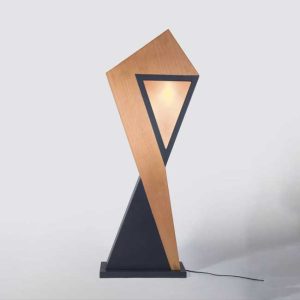
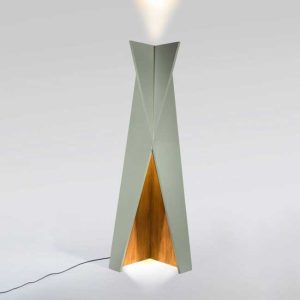
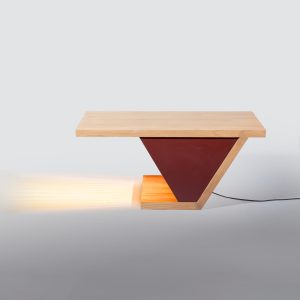
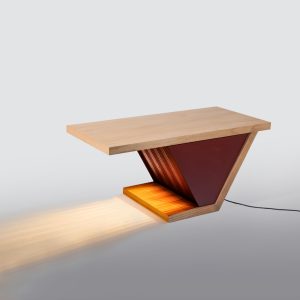
The aim of this collection is to bring light into living spaces in a distinctive and enigmatic way, drawing from the essence of Iranian architecture while conveying a meaning that extends beyond illumination itself. The name Khiyal—meaning imagination or vision—refers to this very quality: a realm in which form, light, and material take the viewer beyond simple visual perception, allowing for an inward, gradual, and mysterious experience. In Iranian architecture, light has often served to convey meaning and reinforce the spirit and concept of a work, giving rise to spaces that are both magical and evocative—from the apertures of orsi windows and the openings of domes to the pavilion of Dowlatabad Garden and the mystical atmosphere of Sheikh Lotfollah Mosque, where the interplay of light and shadow creates an enchanting experience. This collection seeks to reinterpret and recreate that spatial quality. The works function as objects whose presence gives meaning to space. Here, light is not merely seen; it is felt, creating a silent dialogue with the viewer—as though inviting them inward to pause for a moment and encounter the silence within themselves. The intention is for light to become an integral part of the volume itself, extending beyond the form as though flowing through it. Through a pure visual language, the boundary between light and material gradually dissolves. Wood, a natural material with a long history of use and an inherently tactile quality, comes alive in its encounter with light. Its grain gives depth to the shadows and enriches the underlying concept of each design. Ultimately, concepts infused with mystery, imagination, and complexity emerge throughout the works. Dualities such as light and shadow, presence and absence, and the visible and invisible become the essential elements of meaning. The viewer is invited inward, into the forms themselves, while the movement of each form reflects the space around it. This dialogue between interior and exterior unfolds through forms, surfaces, and lines, allowing the works to reveal themselves gradually. Light and volume are experienced through the act of looking. As the viewer changes position, different compositions of illumination and form emerge. At times the light gleams; at others, it recedes into shadow. The viewer must move around the objects in order to fully apprehend their forms, engaging with them actively. They do not reveal themselves all at once, but gradually unfold through movement, light, and time.
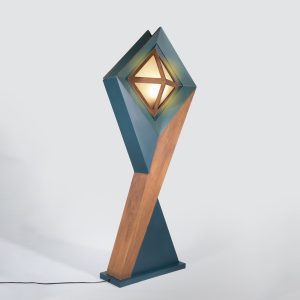
Light radiates from the center, bringing a geometric form to life. Inspired by Iranian domes and geometric patterns such as the Shamsa, the work evokes unity and mystery.
A house for light, this sculptural form relies on its steadfast stability to scatter light upward, becoming a fluid element connecting the exterior and interior.
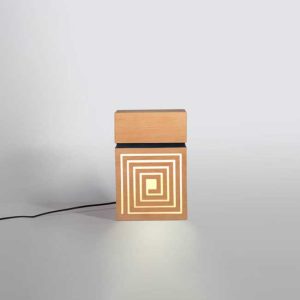
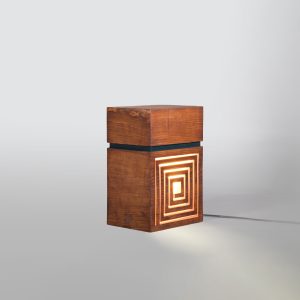
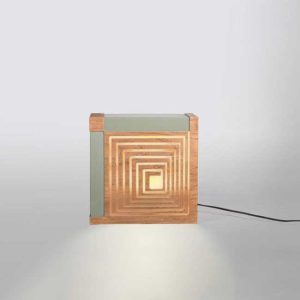
Like the arched recesses of Iranian architecture, light and shadow arranged in a geometric rhythm connect presence and absence, inviting us to pause at the boundary between being and non-being.
A reinterpretation of Iranian latticework in which light becomes the “breath” of the form. Through rhythm and repetition, it evokes meditation and an inward spiritual journey.
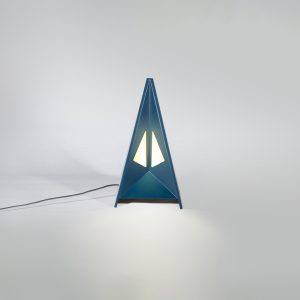
Light is concealed within two recessed inner cones and emerges gently and mysteriously, transforming the form into a living entity from which light radiates.
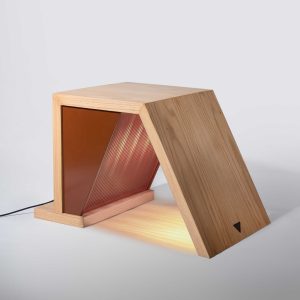
A stepped form evokes a mystical journey, with delicate rays of light and an inner, subtle resonance within solid wood suggesting a poetic passage from earth toward the sky.
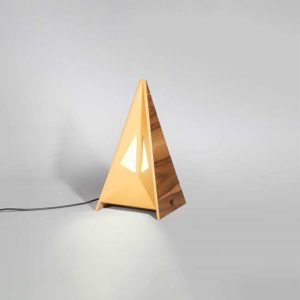
A delicate, luminous inner layer is enclosed within a rigid pyramidal wooden form. A recessed triangular form, combined with the glow of light, gives the work a mysterious, poetic spirit, while the form gradually emerges as an object through its interaction with the viewer and the passage of time.
A pyramid-like form with a rigid and stable structure becomes fluid, soft, and imaginative through its layering and the flow of light among its arch-like elements. The emergence of light from within the layers gives rise to the object and generates meaning.
Here, light extends beyond the boundaries of the volume, intertwining form, space, and human presence, and giving meaning to the human experience of space.
A dynamic, rotating figure evokes the movement of the whirling Sama dance. As the viewer moves around the work, they become part of its rotation, and the object shifts from something merely observed into something experienced and lived.
A rigid, muqarnas-like form encloses a luminous core, evoking a poetic presence. The intersection of light and material narrates a passage from absence and darkness toward presence and light.
Drawing upon the mystical qualities of Iranian architecture, this work presents light as a reminder of a path—one that begins on earth and gradually moves toward another realm.
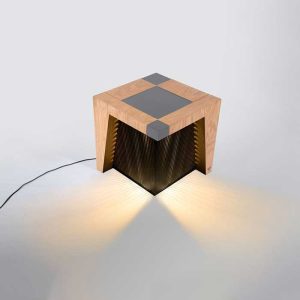
Reflected rays of light emanate from within the form onto the ground and into the surrounding space, giving the work a living presence. Their rhythm creates a poetic experiences, drawing the viewer into a sensory relationship with the work.